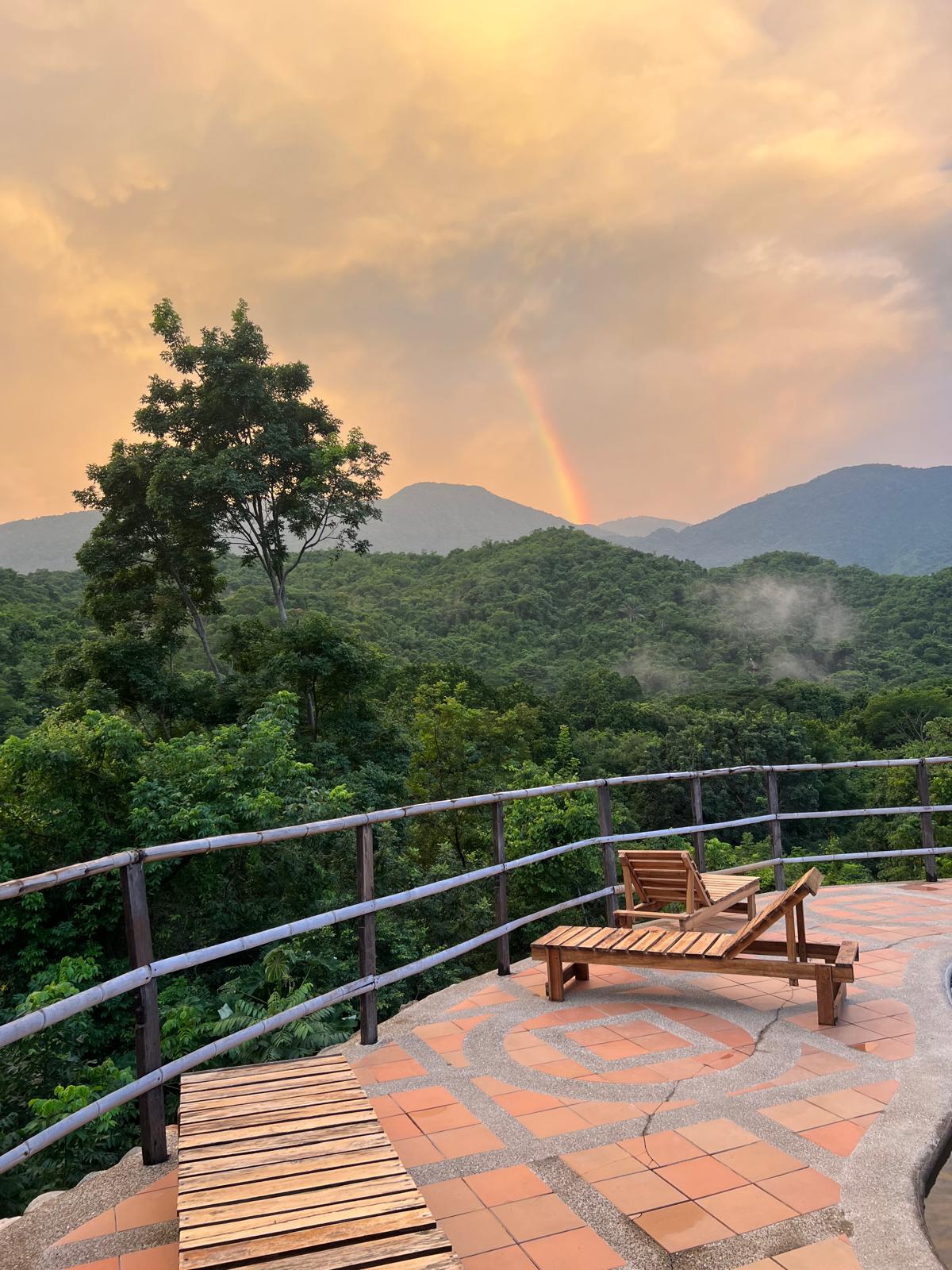
Why Volunteer Instead of Just Travel?
When I first started meeting long-term travelers, I couldn’t understand how they managed to be on the road for six months, a year, or even longer. Eventually, I discovered their “secret”: volunteering while traveling.
Through platforms like Worldpackers or Workaway, they exchanged a few hours of work for accommodation, meals, and often free tours. It wasn’t just about saving money. They were learning new skills, connecting with locals, and experiencing culture from the inside.
At that time in my life, I was studying online, not tied to a job, and figuring out my next steps. I told myself: “If not now, when?” Life is lived once, and this was my chance to travel differently. That’s how I decided to try my first volunteer experience.
The World of Volunteering
Main Platforms
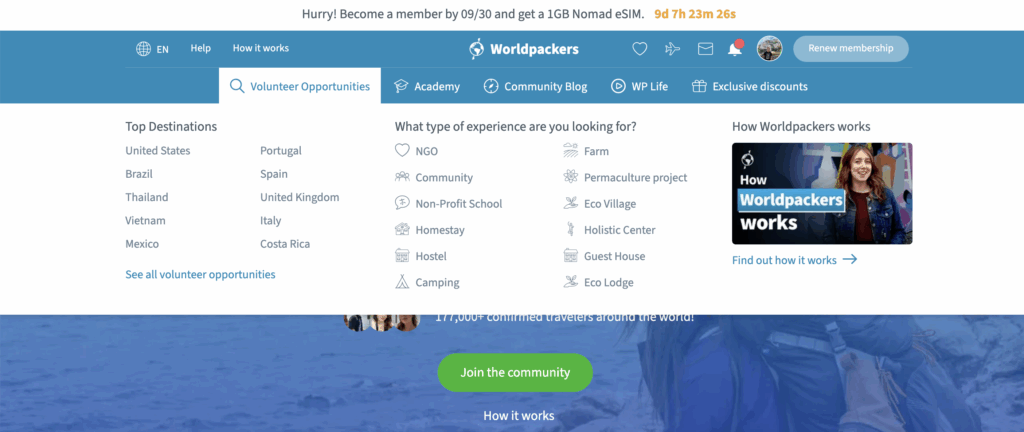
| Platform | Membership (2025) | Main Focus | Pros | Cons |
|---|---|---|---|---|
| Worldpackers | $49/year | Hostels, eco-lodges, social projects | Insurance included, 24/7 support, reliable reviews | Higher price |
| Workaway | $44/year (solo) – $56 (couple) | Hostels, farms, families | Wide variety of projects, big community | No insurance |
| HelpX | €23 / 2 years | Farms, homestays | Very cheap | Old interface, less support |
| WWOOF | $25–50/year (by country) | Organic farms | Deep connection to eco-agriculture | Limited to farming |
💡 A small upfront cost, but it pays itself back after just a few nights since food and lodging are usually included.
Types of Volunteering
- Hostels: reception, bar, cooking, cleaning.
- Eco-projects: gardening, permaculture, and eco-villages.
- Social projects: language teaching, community programs.
- Digital help: social media, photography, content creation.
What Hosts Usually Expect
- Commitment of at least 2–3 weeks.
- Around 20–30 hours per week (not more, to keep it volunteer-based).
- A complete online profile with photos and motivation.
- Respect, flexibility, and willingness to learn.
- Basic communication skills in English or local language.
My First Volunteering: Carpe Diem, Santa Marta (Colombia)
Getting There
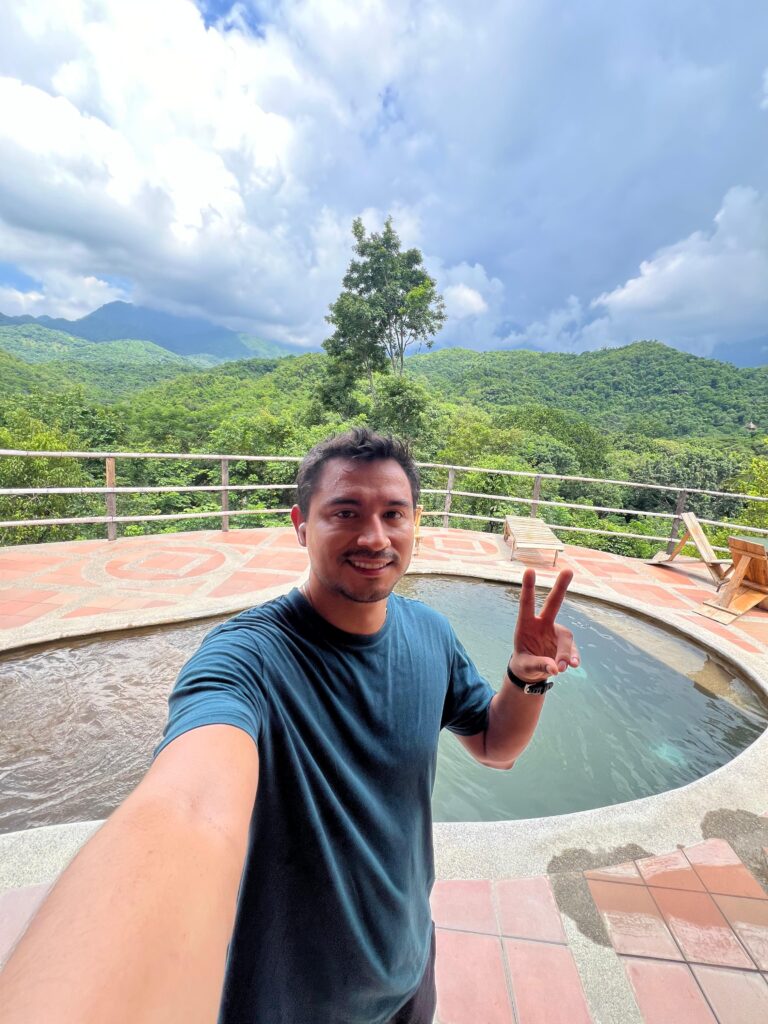
My first experience took me to Finca Carpe Diem Ecolodge, tucked away deep in the jungle near Santa Marta. To get there, I rode a scooter up the mountain for about 20 minutes and then crossed a river a little adventure before the real adventure began
From the moment I arrived, I felt surrounded by lush greenery, rivers, waterfalls, and birdsong. It was remote, but in the best possible way.
Working as a Bartender
My role: bartender. I had some experience, but that didn’t matter. I was taught on the spot. I worked 4 days per week, 6 hours per day. Tasks included:
- Making cocktails and drinks.
- Talking with guests at the bar.
- Helping with small events at the lodge.
- Helping in the Kitchen
The schedule left me plenty of free time to explore, relax, and connect with others.
Life at the Ecolodge
The volunteering package included shared accommodation, three meals per day, and access to the lodge’s tours. Some of the highlights:
- Hiking to hidden waterfalls in the jungle.
- Swimming in natural crystal-clear pools.
- Excursions to nearby towns and beaches.
Food was hearty and local, prepared by the cooks I grew very close to. I would often sit in the kitchen, learning recipes, chopping vegetables, or simply chatting.
Cultural Immersion
The best moments weren’t the tours, but the connections. One night, the kitchen staff invited me out. We went to a small local bar, ordered beers, and they taught me how to dance champeta, a coastal rhythm full of energy.
That night summed up what volunteering really is: being welcomed into a culture instead of just observing it.
My Second Volunteering: Black Llama Hostel, Cusco (Peru)
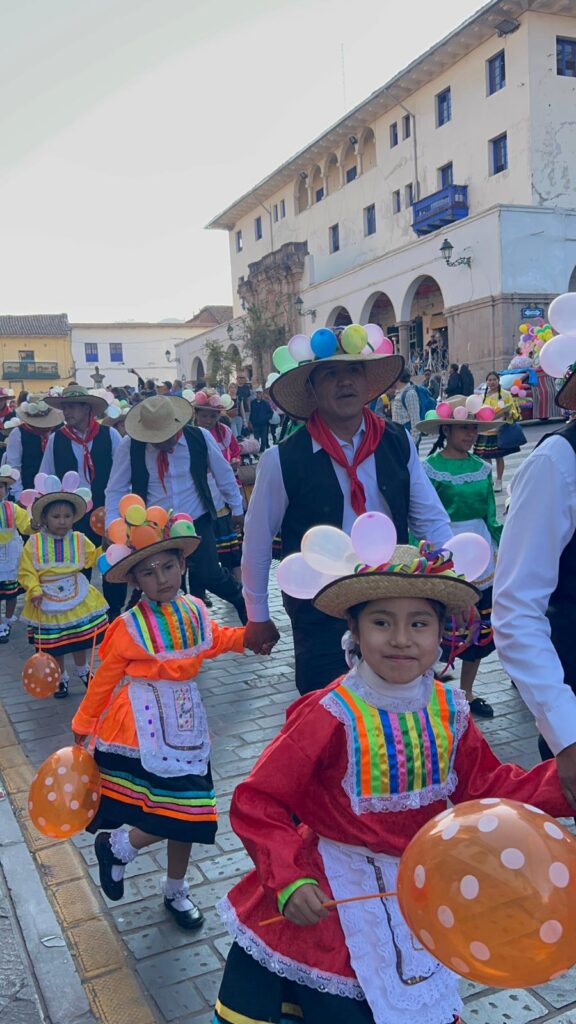
After Colombia, I was hooked. My next stop: Cusco, Peru, where I joined the team at Black Llama Hostel as a kitchen assistant for three weeks.
Kitchen Duties
My role was simple but rewarding:
- Helping prepare breakfasts for guests.
- Organizing ingredients.
- Washing dishes and utensils.
- Assisting the cooks with daily tasks.
Through this, I discovered the richness of Peruvian cuisine from the art of preparing ají sauces to the variety of traditional dishes, all while keeping up with the fast pace of serving each morning
The Challenge of Altitude
Cusco sits at 3,400 meters (11,000 ft). My first days were tough even walking uphill left me out of breath. The vibe was very different from Carpe Diem. Whereas Colombia was slow, rural, and jungle-based, Cusco was urban, fast-paced, and filled with tourists from all over the world.
Hostel Life
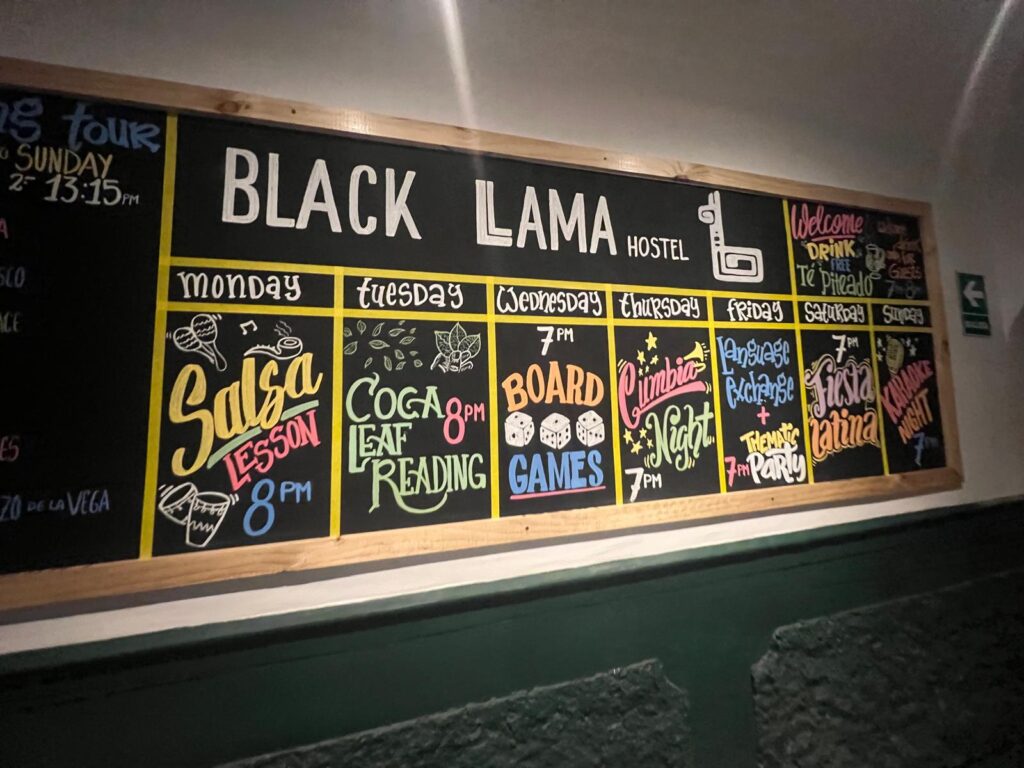
The Black Llama was more than a place to sleep, it was a hub of activities:
- Karaoke nights at the bar.
- Group outings to explore Cusco, including markets and Sacsayhuamán ruins.
- Social evenings where volunteers, staff, and guests bonded like a multicultural family.
The friendships I built there are some I still keep to this day.
Practical Takeaways for Volunteers
- Check reviews before confirming.
- Clarify work hours (20–30 per week is fair).
- Pack smart: headlamp, repellent, first-aid kit, sturdy shoes.
- Budget for extras: transport, tours, and nightlife aren’t covered.
- Learn local phrases: even basic Spanish
- Stay flexible: things won’t always be perfect.
- Network: other volunteers may share future opportunities.
💡 Costs Saved Example:
In Santa Marta, a dorm bed + meals would cost ~$25/day. By volunteering, that was covered. In 2 weeks, that’s $350 saved, more than the annual platform membership itself.
Lessons Learned
- Adaptability: from jungle rain to high-altitude air, you learn to adjust.
- Patience & teamwork: living and working with strangers teaches collaboration.
- Cultural humility: when you’re taught by locals, you realize travel isn’t about you, it’s about exchange.
Final Reflection
Volunteering while traveling is much more than saving money. It’s about purposeful travel.
I didn’t just see Colombia and Peru; I lived them. I danced champeta in a hidden coastal town, learned to cook Peruvian potatoes at high altitude, and created friendships that still matter today.
Traveling with purpose means trading the role of “tourist” for that of participant. And once you experience it, it changes the way you see the world. 🌎✨